

Rubbing our eyes is a habit we all have, often without even realizing it. Fatigue, itching, dust, allergies… there are many reasons. However, this seemingly harmless reflex can have real consequences for your eye health. Irritations, infections, corneal deformation, and even more serious vision problems: the risks are numerous.
In this article, Phenicia Vision, a center specializing in refractive surgery at Clinique Phenicia in Marseille, explains why it is dangerous to rub your eyes and what alternatives you can adopt to protect your vision.
Why do we tend to rub our eyes?
Common Causes: Fatigue, Dryness, and Allergies
The primary reason people rub their eyes is eye strain. After a long day in front of a computer or due to lack of sleep, eyelids feel heavy and eyes appear irritated. This action provides an immediate sense of relief.
Dry eyes are another common reason. When the tear film is insufficient or of poor quality, the eye's surface becomes dry, causing a tingling sensation. Rubbing then seems to temporarily relieve the discomfort.
Finally, seasonal or chronic allergies, such as pollen, dust mites, or pet dander, cause intense itching. In this situation, rubbing your eyes becomes almost irresistible.
An Often Unconscious Reflex
We sometimes rub our eyes without even noticing it: when waking up, at the office, in front of the television, or after a long period of reading. It's a natural reflex stemming from a need to soothe discomfort.
This action also creates mechanical pressure on the eyelids, temporarily stimulating tear production. This gives the impression of moistening and relieving the eye, but the effect only lasts a few seconds.
When Rubbing Becomes a Problematic Habit
For some people, rubbing their eyes is no longer occasional but daily, or even compulsive. Regularly repeating this action increases the risks to the cornea and overall eye health.
This habit is even more dangerous for individuals predisposed to certain conditions, such as keratoconus, or for those with significant vision correction needs.
What are the immediate risks of rubbing your eyes?
Irritation and Worsening Dry Eyes
Mechanical rubbing weakens the eye's surface and worsens dry eye symptoms. Instead of hydrating, this action further damages the tear film, which intensifies the burning, gritty, or tingling sensation in the eyes.
In just a few minutes, your eye can become red, sensitive to light, and even more uncomfortable than before.
Minor Injuries and Small Corneal Abrasions
The cornea is an extremely thin and delicate tissue. By rubbing your eyes, especially if there are small dust particles or grains of sand, you can cause minor injuries or corneal scratches.
These injuries, even if invisible to the naked eye, can disrupt vision and lead to complications if left untreated. Some heal on their own, but others may require medical attention.
Risk of Spreading Bacteria and Infections
Our hands are constantly in contact with potentially contaminated surfaces. Bringing them to your eyes can facilitate the transfer of bacteria and viruses.
This increases the risk of conjunctivitis, styes, or other eye infections. This danger is even greater for contact lens wearers.
Serious Long-Term Consequences for Vision
Corneal Deformation and Risk of Keratoconus
Repeatedly rubbing your eyes can have a direct mechanical impact on the cornea. Constant pressure can cause it to deform and lose its regular shape, leading to a condition called keratoconus.
Keratoconus is a progressive thinning and cone-shaped bulging of the cornea, which causes blurry, distorted vision that is difficult to correct with standard glasses.
In advanced cases, this condition may require specialized surgery, sometimes even a corneal transplant.
Worsening of Existing Vision Problems
Individuals with myopia (nearsightedness), astigmatism, or hyperopia (farsightedness) should be especially careful. Repeated rubbing can worsen these vision problems, make them harder to correct, and speed up the progression of certain conditions.
By weakening the cornea, you also increase the risk of failure or contraindication for certain corrective procedures.
Impact on Refractive Surgery Results
Refractive surgery permanently corrects vision by reshaping the cornea. However, after such an operation, the cornea remains vulnerable for several weeks.
Rubbing your eyes after refractive surgery can hinder healing, cause displacement of the corneal flap in the case of LASIK, or negatively affect the visual outcome. Therefore, it is crucial to avoid this action, especially after surgery.
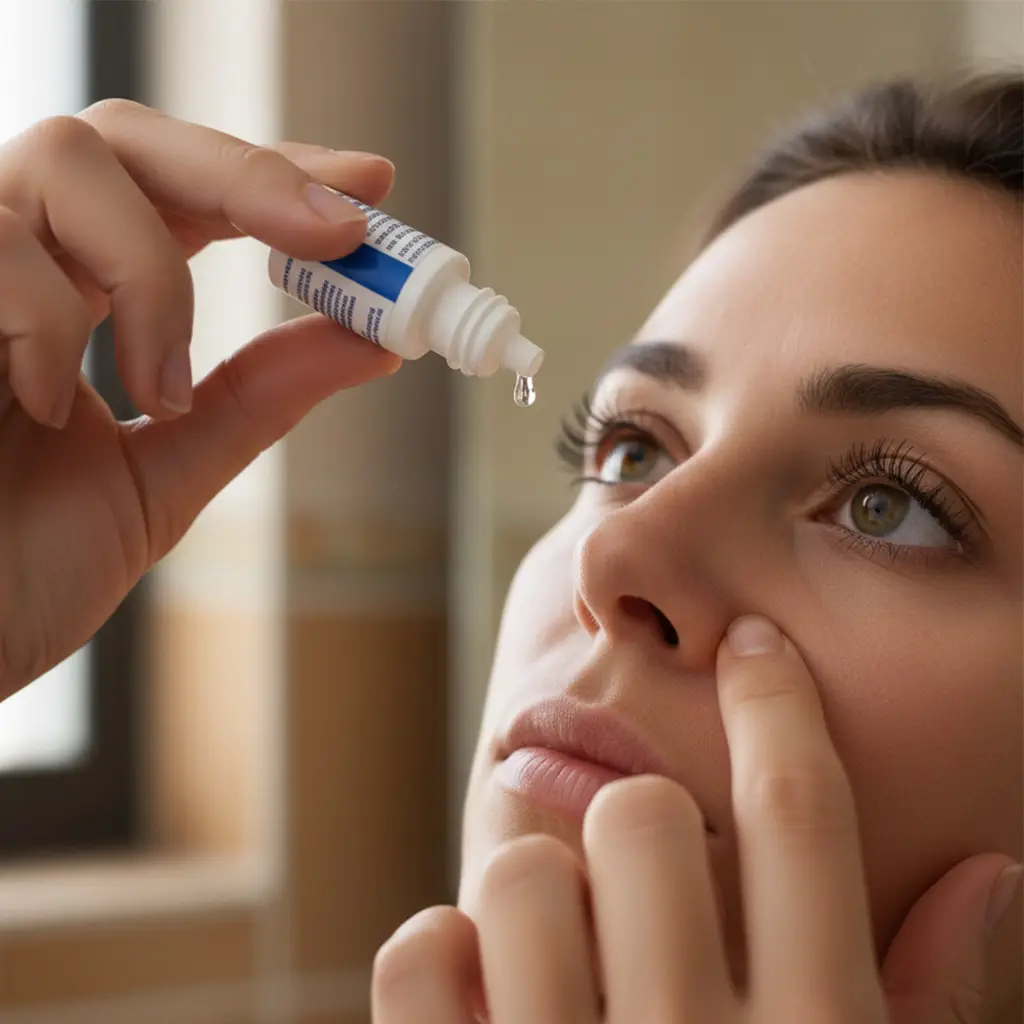
What are the alternatives to relieve your eyes without rubbing them?
Good Daily Habits
Instead of giving in to the urge to rub your eyes, take regular breaks when working on screens, blink intentionally to stimulate natural lubrication, and stay well-hydrated throughout the day.
Using Artificial Tears or Appropriate Treatments
For dry eyes, use artificial tears, preferably preservative-free, to soothe and hydrate your eyes.
For allergies, antihistamine eye drops prescribed by a doctor can relieve itching without the need for rubbing.
Consult a Specialist for Personalized Care
If your eyes regularly itch or feel dry, consult an ophthalmologist. An examination will help identify the underlying cause and recommend appropriate treatment.
Conclusion
Rubbing your eyes is a common habit that many consider harmless, but it can have serious consequences for eye health. From temporary irritation to severe vision problems like keratoconus, and even the risk of infections, the dangers are very real.
The best prevention involves adopting good habits: ensuring proper hydration, taking visual breaks, using artificial tears, and consulting an eye specialist regularly.