
PHAQUE IMPLANTS

Cutting-edge technology, lasting results.

Are you nearsighted?  Presbyopic?  Hyperopic?  Astigmatic? 

Correct your vision with phakic implants

Refractive surgerycan correct vision problems such asnearsightedness,farsightedness,astigmatism, andpresbyopia by adjusting the shape of the cornea to provideclear vision without glasses or contact lenses. In justa few minutes, you will notice an improvement in your visionand regain complete freedom.

Phakic implants: a customized alternative to high-power corrections

When laser refractive surgery is not an option, phakic implants are a reliable, precise eye surgery that respects the anatomy of the eye. This refractive technique is particularly recommended for patients with severe myopia, astigmatism, or hyperopia that cannot be treated with conventional techniques such as LASIK, SMILE, or PRK.

Unlike laser solutions, this procedure does not alter the cornea. The implant is placed in the eye between the iris and the lens without touching the lens or altering the corneal surface. It is a reversible surgical procedure that can be removed in the event of cataracts or changes in ametropia. Its effectiveness has been demonstrated at numerous ophthalmology conferences, symposiums, and in professional publications in France and internationally.

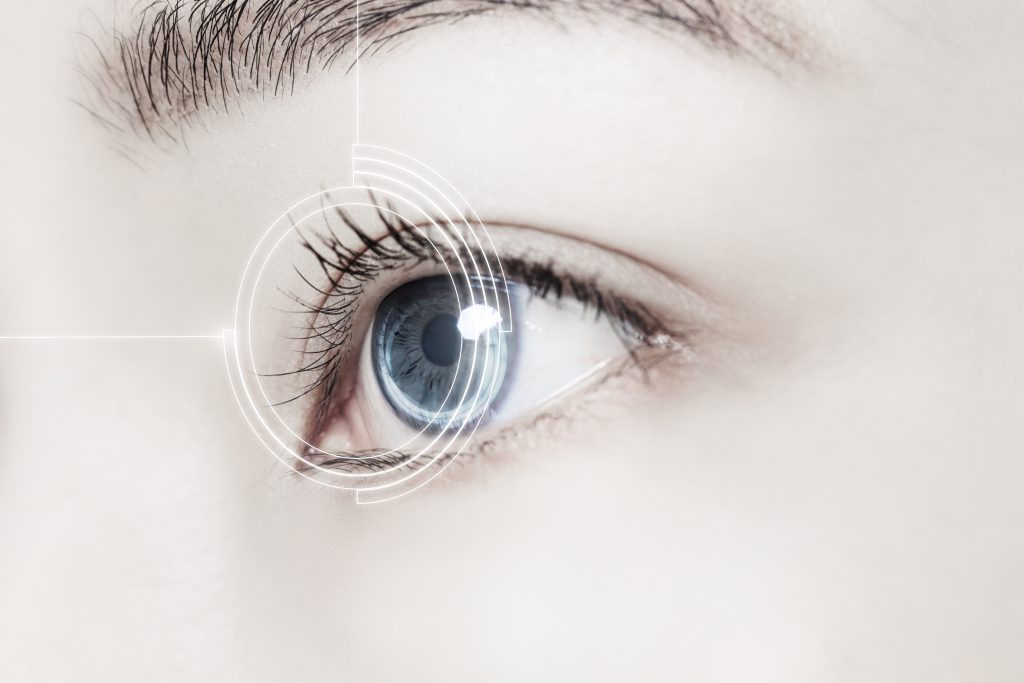
Refractive Surgery Vision Correction Eye Phenicia
dark blue circle icon

Are you operable?

Take an eligibility assessment at our center to find out.

Eligibility assessment - Eye laser surgery

Each treatment plan begins with a thorough eye exam. During this consultation, the doctor assesses the health of your cornea, your visual acuity, and your entire ocular system. 

This balance sheet includes

  • An assessment of near, far, and intermediate vision
  • Corneal topography and measurement of visual depth of field
  • An examination of the lens, history of cataracts, other eye disorders
  • An analysis of prolonged wear of contact lenses or glasses
  • A tear assessment and an oculomotor assessment
  • Anterior and posterior OCT
  • A retinography
  • The back of the eye

Our ophthalmic surgeons present thephakic implant technique, an alternative to laser surgery that involves inserting a corrective lens inside the eye without removing the natural lens.

Phakic implants are particularly suitable for patients with severe myopia, hyperopia, or astigmatism, especially when laser surgery (LASIK, PRK, SMILE) is not appropriate.

Each surgeon evaluates the feasibility of phakic implant placement, taking into account individual characteristics: anterior chamber depth, corneal health, intraocular pressure, medical history, and patient expectations.

Focus on types of phakic implants

There are several types of phakic implants. The two main types are positioned implants:

  • Between the iris and the lens (posterior chamber)
  • In front of the iris (anterior chamber)
  • ICL Placed between the iris and the lens in the ciliary sulcus (posterior chamber)
  • Implant placed in front of the iris (anterior chamber) with iris fixation less commonly used due to increased risks (glaucoma, corneal risks) 

The choice depends on the depth of the anterior chamber, corneal thickness, and the visual defect to be corrected (myopia, astigmatism, presbyopia, etc.). Each implant is custom-made based on measurements taken during the preoperative consultation.

These options will be explained in detail during your appointment with your surgeon, so that together you can choose the safest and most effective solution.

Phenicia Eye Laser Refractive Surgery Marseille

A recognized alternative to laser treatment

While LASIK, PRK, and SMILE involve modifying the corneal tissue using a femtosecond and excimer laser, phakic implants do not involve any structural alteration. They offer stable correction with minimal post-operative discomfort. It is a safe and painless procedure that avoids the side effects sometimes associated with other refractive techniques.

This surgical solution has been validated at the most prestigious ophthalmology conferences. It is regularly featured in specialist articles on refractive surgery, highlighting its promising results in cases of severe myopia or astigmatism.

Comfortable and quick surgery

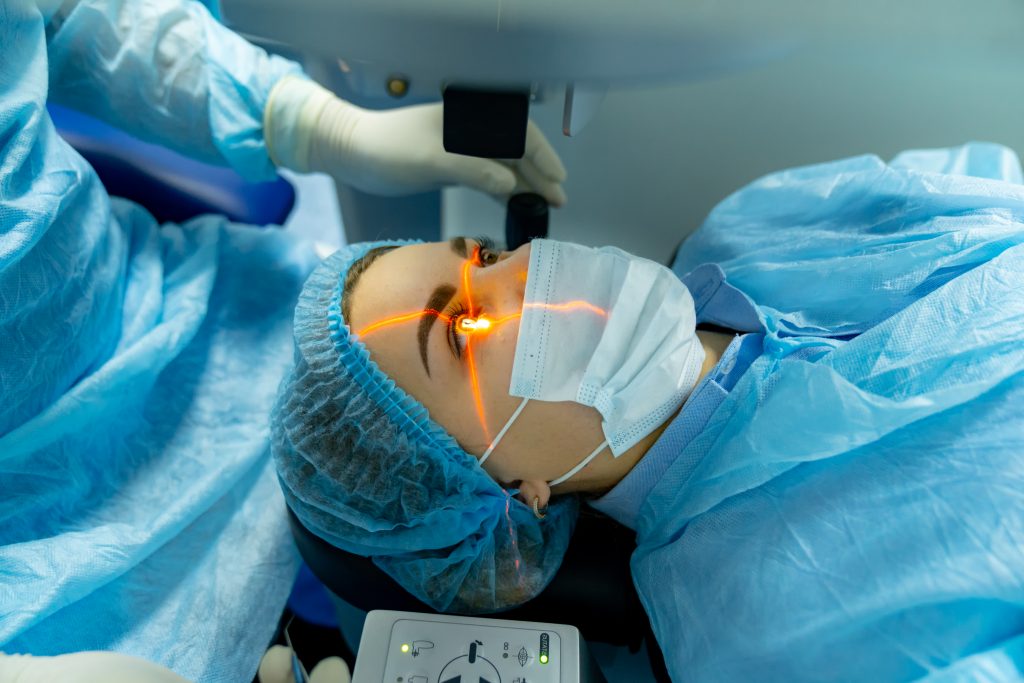
The procedure takes about 20 minutes per eye and is performed under local anesthesia. The surgeon inserts a soft phakic lens between the iris and the crystalline lens, without removing any natural structures. Thanks to the absence of incisions, the surface of the eye is completely preserved. The implant is invisible and requires no maintenance.

It can be replaced or removed if your vision changes. This eye surgery is performed on an outpatient basis, without hospitalization. It is widely practiced in leading centers in France, with a very high satisfaction rate.

At Phencia Vision, we provide clear quotes with no surprises, as well as tailored financing solutions. Our teams are available to assist you with these procedures.

Benefits of phakic implants

  • Stable and precise correction without altering the cornea
  • Fully reversible: the implant can be removed or replaced
  • Ideal alternative to glasses or contact lenses
  • Suitable for eyes with thin or irregular corneas
  • No drought whatsoever due to the intervention unless the land
  • Quick resumption of activities (between 1 and 2 days)

Solutions recognized in publications by scientific societies

Phakic implants, increasingly used in clinical studies, are used as an alternative or complement to traditional refractive procedures.

Their safety profile is regularly highlighted at conferences, symposiums, and ophthalmology events in France and Europe.

This surgery is a suitable option for patients who have already undergone previous surgery (LASIK or PRK), or who do not want an irreversible technique.

Each operation is planned with precision. Here, we make it a point of honor to comply with safety standards while ensuring optimal results for the eyes treated. 

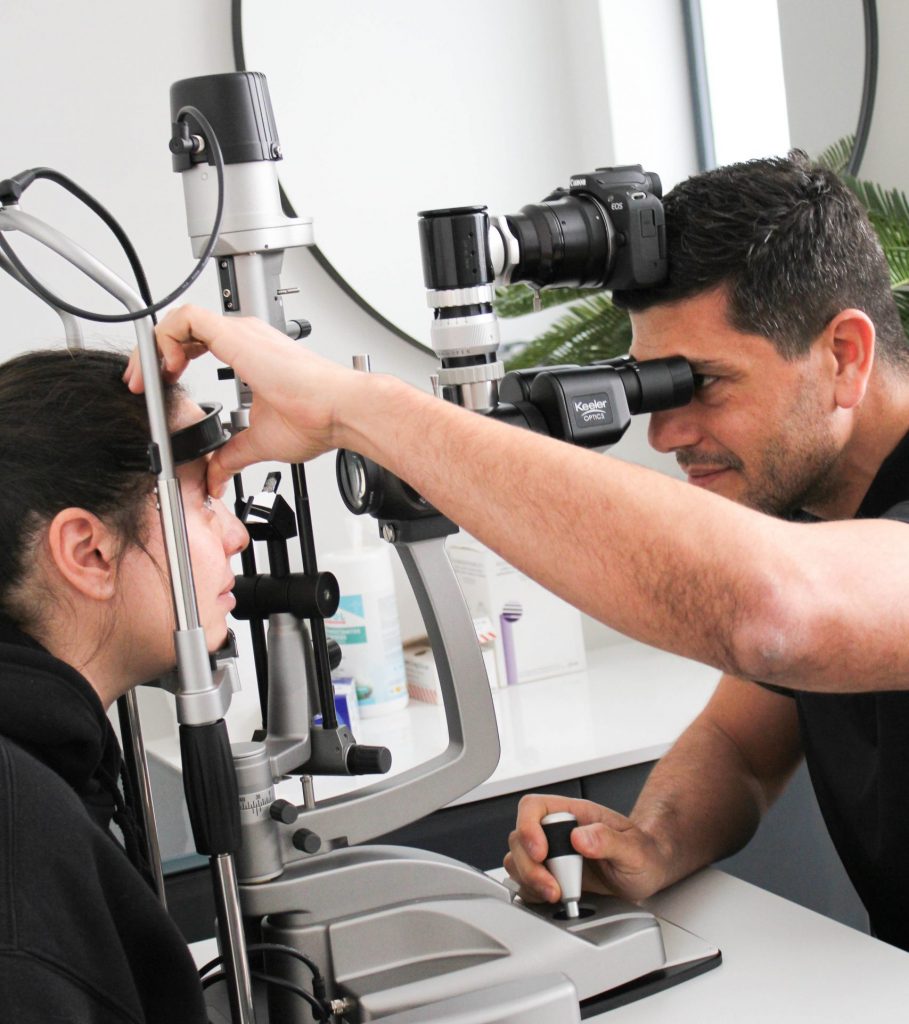
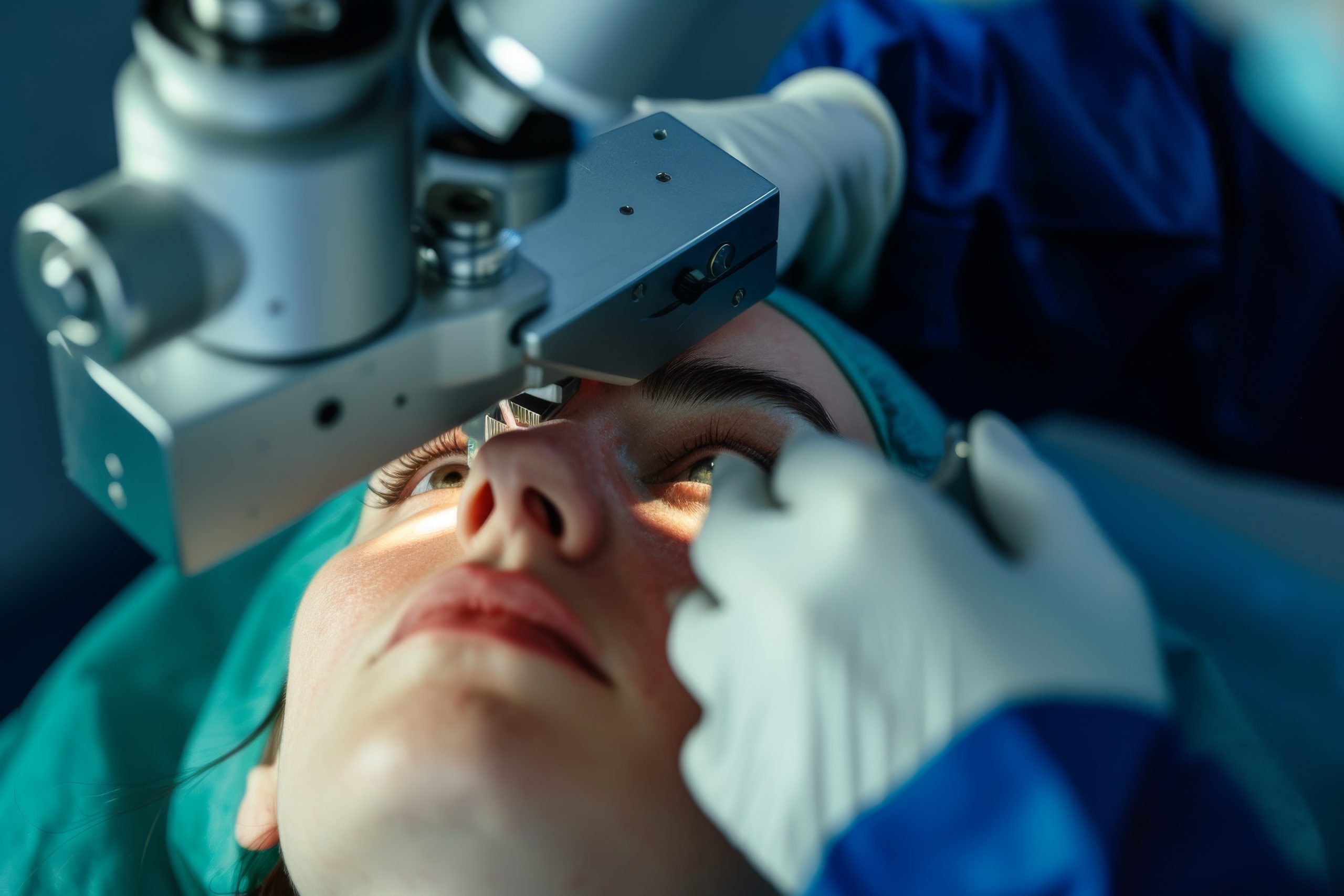
Ophthalmological Examination Slit Lamp Patient Phenicia Vision

Personalized care
s at Phenicia Vision

A team at your service

Upon arrival at our ophthalmology clinic in Marseille, you will be welcomed into a reassuring environment. Refreshments are available to help you relax before and after your procedure.

Our team takes the time to explain the process, answers all your questions with visual aids (video, photos, and models), and kindly supports you throughout your patient journey.

dark blue circle icon

Our other laser correction techniques

Each laser treatment is chosen after an thorough ophthalmological examination to ensure correction perfectly suited to each eye.

Regain clear vision and a true quality of life

Free yourself from glasses and contact lenses, and resume your activities without restrictions. With customized vision correction, you will enjoy stable, comfortable, and long-lasting vision.

Make an appointment for a personalized consultation at our center in Marseille, and let our doctors guide you through your vision project with kindness and expertise.

At Phenicia Vision, we place quality care, technological innovation, and listening to patients at the heart of everything we do.

Presbyopia Women Vision De Pres Refractive Surgery Phenicia

FAQ: PHAQUE IMPLANTS

What is a phakic implant?

It is an intraocular lens inserted between the iris and the crystalline lens, without touching the cornea. It provides stable vision correction, ideal for cases of severe myopia, hyperopia, or astigmatism. This surgery is reversible and recognized in ophthalmology conferences. or astigmatism. This surgery is reversible and recognized in ophthalmology conferences.

For patients with severe myopia, hyperopia, or astigmatism who are not eligible for LASIK, PRK, or SMILE.

No, it is completely invisible and undetectable. Unlike glasses or contact lenses, it does not impose any visual constraints.

The risks are rare but known: increased eye pressure, inflammation, displacement. They are monitored through strict post-operative follow-up.

Yes, usually the day after medical approval. The visual results are quick and allow you to resume your activities safely.

  • Very rapid and painless visual rehabilitation (usually within a few hours)
  • High effectiveness: uncorrected postoperative visual acuity is often higher than preoperative corrected visual acuity.
  • operative (66% of cases) because the perceived image is enlarged by approximately 20% by the implant
  • Excellent vision quality for severe myopia (night vision is improved) in relation to a zone
  • greater optical power than that achievable with PRK or LASIK (reduction of spherical aberration)
  • Reversibility (the implant can be easily removed, particularly during future cataract surgery)

Our clinic stands out for:

  • A team of experienced eye surgeons

  • State-of-the-art equipment

  • A personalized patient journey, from the initial consultation to post-operative follow-up

  • High level of safety and hygiene

Supportive and transparent guidance

Yes, it is recommended that you stop wearing contact lenses at least one week before the preoperative assessment and surgery, to allow the cornea to return to its natural shape. This ensures accurate measurements of the eye and greater effectiveness of the surgery.

No, refractive surgery is considered a cosmetic procedure and is therefore not covered by Social Security. However, some mutual insurance companies or supplemental health insurance providers may offer benefits, such as partial coverage of the cost of the procedure in the form of a lump sum or annual reimbursement. It is therefore advisable to check the terms of your policy before undergoing the procedure.

After the procedure, some temporary side effects may occur:

  • Mild dry eye: a feeling of discomfort or stinging, especially during the first few days.
  • Light sensitivity: Eyes may be more sensitive to natural or artificial lighting.
  • Luminous halos: perception of blurred circles around light sources, especially at night.

These effects are generally mild and gradually disappear within a few weeks as the area heals. A moisturizing treatment may be prescribed to relieve dry eyes, but the risks remain very low.

Simply book an eye exam via Doctolib or by contacting a center specializing in refractive surgery directly. This appointment, conducted by an optometrist or eye surgeon, will accurately measure your prescription, assess the overall health of your eyes, and determine whether your myopia has been stable for at least one year.

If no contraindications are detected (such as a cornea that is too thin, keratoconus, or early cataracts) and you meet the eligibility criteria, the ophthalmologist will then be able to recommend a suitable surgical technique (LASIK, PRK, or SMILE) and schedule the procedure. This initial consultation is essential to ensure personalized, safe care that meets your visual needs and lifestyle. During this assessment, you will be given a detailed quote, including the price of the operation according to the technique chosen.

Refractive surgery is contraindicated in certain cases, particularly in the presence of a cornea that is too thin, keratoconus, an opaque lens, or cataracts, as these conditions can compromise the safety of the procedure and reduce its effectiveness. When these factors are identified during the preoperative assessment, a suitable alternative, such as lens surgery, may be offered to restore long-term vision quality.

Yes, surgery is sometimes possible even after cataract surgery or in the presenceof intraocular implants, but this depends on the type of implant used, the quality of the cornea, and the residual visual correction. In some cases, complementary refractive surgery (such as LASIK or PRK) may be offered to refine the accuracy of vision after implantation.
A thorough ophthalmological examination, carried out by our eye surgeon, is essential to assess the feasibility and safety of this secondary correction, taking into account visual stability, the condition of the tear film, and corneal topography.

Yes, in some cases, it is possible to correct myopia and presbyopia during the same procedure, using specific techniques such as presbyLASIK or implant placement. The goal is to enable clear vision both far and near, taking into account age-related visual needs. However, the feasibility of this dual correction depends on several factors:the patient's age, the stability of the myopia, the quality of the cornea, and visual expectations.

Back to top