Astigmatisme —
une vision nette
et naturelle
Retrouvez une vision nette et naturelle, sans correction. L'astigmatisme se traite durablement par chirurgie réfractive au laser, en une seule séance.
Qu’est-ce que l’astigmatisme ?
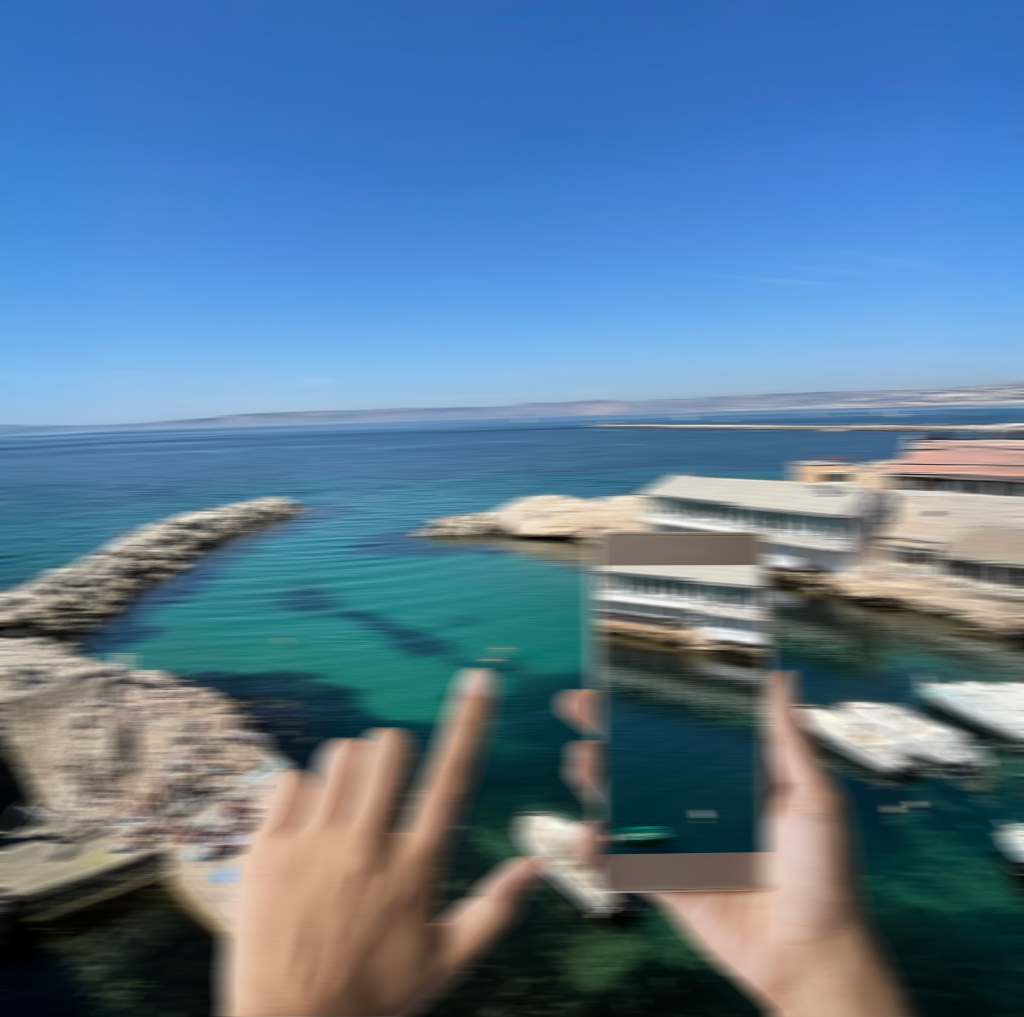
Vous avez l’impression que les lettres bavent un peu, comme derrière un buvard ? Les lumières vous apparaissent sous forme de halos ou de traînées ? Des maux de tête ou une fatigue visuelle (asthénopie visuelle) surviennent après des efforts prolongés ?
Ces symptômes sont typiques de l’astigmatisme, un défaut visuel qui altère la netteté des images, qu’elles soient proches ou lointaines, et qui est causé par une irrégularité de la cornée dans un certain axe.
Quels sont les symptômes de l'astigmatisme ?
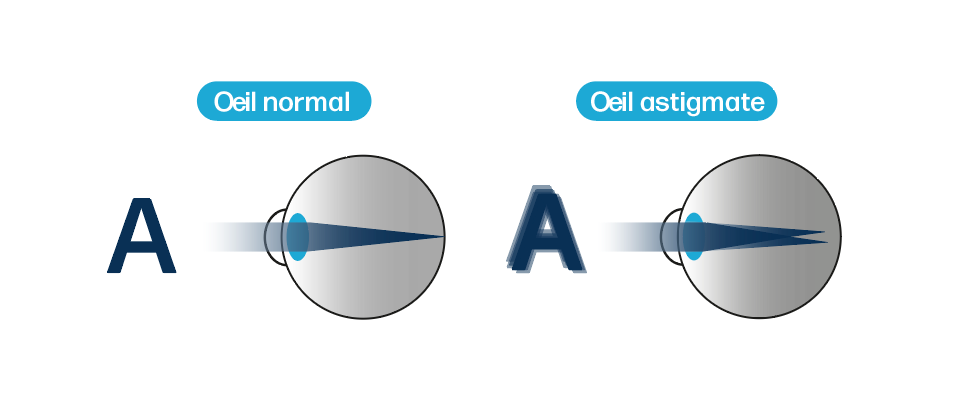
L’astigmatisme est souvent décrit comme une vision floue ou déformée, aussi bien de près que de loin. Cela est dû à une cornée légèrement ovale (asphérique) au lieu d’être parfaitement ronde (sphérique). Résultat : les images se forment à plusieurs endroits sur la rétine, ce qui crée un manque de netteté. Il est souvent associé à une myopie ou une hypermétropie.
Bilan d’éligibilité gratuite
Nous vous recevons au sein de notre centre PHENICIA VISION à Marseille pour analyser votre vue et vérifier gratuitement si une chirurgie réfractive (LASIK, PKR ou SMILE) est adaptée à votre cas. Un premier bilan simple, rapide et sans engagement.
Les techniques chirurgicales pour corriger l’astigmatisme

La Chirurgie réfractive
La chirurgie réfractive au laser (LASIK, PKR ou SMILE) est aujourd’hui une solution moderne, sûre et efficace pour corriger durablement l’astigmatisme. Elle s’adresse aux personnes qui souhaitent se libérer des lunettes ou des lentilles, en agissant directement sur la cornée pour recentrer les rayons lumineux sur la rétine.

Implants intra-oculaires
Pour les patients plus âgés ou ceux ayant déjà des implants intraoculaires, d’autres solutions peuvent être envisagées. Un examen ophtalmologique complet est indispensable pour définir la procédure la plus adaptée à votre profil visuel et garantir une prise en charge personnalisée et sécurisée.
Êtes-vous opérable ?
Faites un bilan d’éligibilité dans notre centre pour le découvrir
Nos techniques de chirurgie réfractive
Nos méthodes de chirurgie réfractive reposent sur des technologies de pointe, principalement le laser Excimer, utilisé pour remodeler avec précision la surface de la cornée. Ce laser à haute précision permet de sculpter la cornée afin d’améliorer la focalisation de la lumière sur la rétine et ainsi corriger efficacement l’astigmatisme. Il existe plusieurs types d’opérations.
- ➜ Chirurgie rapide et sans douleur.
- ➜ Technique de correction laser de référence. Elle utilise un laser excimer et femtoseconde.
- ➜ Récupération quasi immédiate.
- ➜ Adaptée aux cornées fines
- ➜ Adaptés aux métiers physiques (pompiers, militaires..) ou sports de contact.
- ➜ Possibilité de faire une TRANSPKR(intervention 100% Laser.
- ➜ Possibilité de traiter la presbytie.
- ➜ Chirurgie rapide et sans douleur.
- ➜ Adaptés aux personnes atteintes de presbytie.
- ➜ Récupération quasi immédiate.
Ces procédures permettent de corriger l’astigmatisme de manière durable, en offrant des résultats personnalisés en fonction de chaque patient. Imaginez ne plus avoir à forcer pour lire de près ou craindre la fatigue oculaire au bout de quelques minutes. Grâce à la chirurgie réfractive, vous pouvez retrouver une vision nette au quotidien et profiter de chaque instant sans contraintes visuelles.
Comment le chirurgien remodèle-t-il la cornée pendant l’intervention ?
Dans le cas de l’astigmatisme, le défaut visuel provient d’une cornée dont la forme est irrégulière, plus ovale que ronde. Lors de l’opération, le chirurgien travaille précisément sur les zones les plus courbées de la cornée, souvent situées en périphérie ou le long des axes déformés, afin de la rendre plus sphérique.
Ce remodelage ciblé permet de restaurer une vision nette et homogène, de réduire les distorsions visuelles et d’atténuer les halos lumineux. Grâce à notre laser excimer et sa topographie guidée, nous détectons les micro-irrégularités, les asymétries et les aberrations optiques de haut ordre (causant des halos et flous nocturnes). Un traitement sur-mesure est calculé pour lisser la cornée, corriger la vision classique et les petites déformations qui perturbent la qualité visuelle.
L'avantage est une précision maximale car le traitement est entièrement adapté à la géométrie de l'œil, offrant une meilleure vision nocturne (réduction des halos, de la photophobie et de l’asthénopie).
Dites adieu à la vision floue, profitez de la vue
Imaginez ne plus voir les contours des objets déformés ou les lumières sous forme de halos gênants. Grâce à la chirurgie réfractive, vous pouvez corriger votre astigmatisme et retrouver une vision nette et précise.
Reprenez le contrôle de votre vision et profitez d’une vie sans gêne visuelle.

Êtes-vous opérable ?
Venez réaliser un premier examen gratuit dans notre centre PHENICIA VISION à Marseille. Nous vérifions si une chirurgie réfractive comme le LASIK, la PKR ou le SMILE est adaptée à votre vue.
FAQ : L’ASTIGMATISME
Qu’est-ce que l'Astigmatisme ?
L’astigmatisme est un trouble de la vision qui provoque une image floue et déformée.
Au lieu que la lumière se focalise en un seul point sur la rétine, elle se projette sur deux lignes focales perpendiculaires, situées à des distances différentes. Résultat : la vision est altérée, de près comme de loin.
Ce défaut est généralement dû à une irrégularité de la cornée, qui a une forme plus ovale que ronde, ce qui perturbe la mise au point des images. L’astigmatisme est souvent associé à d’autres troubles visuels comme la myopie ou l’hypermétropie.
Comment savoir si je suis astigmate ?
Je suis atteint d’astigmatisme si…
- Vision floue ou déformée, à toutes les distances.
- Impression que les lettres « bavent » sur une page.
- Lumières perçues sous forme de halos ou de traînées.
- Fatigue oculaire et maux de tête après des efforts visuels prolongés.
Peut-on avoir un astigmatisme seul ou est-il souvent associé à d’autres défauts visuels ?
L’astigmatisme peut exister seul, mais il est fréquemment associé à d’autres troubles visuels comme la myopie, l’hypermétropie ou la presbytie, nécessitant une correction adaptée par lunettes, lentilles ou chirurgie laser des yeux.
Cependant, certaines pathologies comme le kératocône , maladies rétiniennes , glaucome, maladies immunitaires ou une cataracte évolutive peuvent contre-indiquer l’opération et nécessitent une prise en charge spécifique.
Quelles sont les solutions pour corriger l’astigmatisme ?
La chirurgie réfractive (LASIK, SMILE, PKR), permet d’éliminer l’astigmatisme en remodelant la courbure de la cornée afin d’améliorer la mise au point des images.Gu
- LASIK : Une opération rapide utilisant un laser Femtoseconde pour créer un volet cornéen, puis un laser Excimer pour remodeler la cornée. Elle est idéale pour corriger les astigmatismes légers à modérés.
- PKR : Une technique de surface recommandée pour les patients ayant une cornée fine ou pratiquant des activités à risque.
- SMILE : Une méthode chirurgicale mini-invasive et de dernière génération, particulièrement efficace pour traiter l’astigmatisme combiné à la myopie ou à l’hypermétropie.
L’intervention au laser de yeux est-elle douloureuse ?
Ce traitement laser est indolore grâce à une anesthésie locale par gouttes ophtalmiques. Vous êtes éveillé, mais ne ressentez aucune douleur. Après l’intervention, une légère gêne peut survenir :
- Sensation de grains de sable dans l’œil,
- Larmoiements,
- Sensibilité à la lumière.
Ces effets sont normaux, temporaires, et disparaissent en quelques heures à quelques jours, selon la technique utilisée.
Combien de temps dure la récupération ?
Cela dépend des techniques opératoires :
- LASIK : La vision est souvent claire dès les premières heures, avec une reprise du travail dès le lendemain.
- PKR : Une gêne visuelle est fréquente pendant 2 à 3 jours, avec une récupération complète sous 1 semaine.
- SMILE : La vision s’améliore progressivement, avec un confort de lecture retrouvé en quelques jours.
Dans tous les cas, les activités physiques intenses ou les environnements poussiéreux doivent être évités pendant une semaine. Un suivi post-opératoire est également prévu pour s’assurer que la cicatrisation se déroule correctement et que la vision s’améliore conformément à la procédure prévue.
Peut-on corriger la myopie et l’astigmatisme en même temps ?
La chirurgie réfractive peut corriger :
- Hypermétropie,
- Astigmatisme,
- Presbytie,
- Myopie
Une intervention unique suffit souvent à traiter plusieurs défauts visuels, à condition d’avoir une cornée de bonne qualité et une correction stable.
Qui peut bénéficier d’une correction au laser ?
Vous pouvez être candidat si :
- Vous êtes majeur,
- Votre correction est stable depuis au moins un an,
- Vous ne présentez pas de contre-indication (kératocône, cornée trop fine, sécheresse oculaire sévère, etc.)
Un bilan pré-opératoire complet est nécessaire pour confirmer l’éligibilité.
Dois-je arrêter de porter mes lentilles avant l’opération ?
Les lentilles peuvent temporairement modifier la forme de votre cornée. Voici les délais recommandés :
- Lentilles souples : arrêt 1 semaine avant le bilan et l’opération.
- Lentilles rigides ou semi-rigides : arrêt 2 à 3 semaines avant.
Cela permet d’obtenir des mesures fiables pour un résultat optimal.
La chirurgie est-elle remboursable ?
C’est simple :
- Sur Doctolib, en choisissant un créneau avec un ophtalmologue spécialisé.
- Par téléphone, en contactant directement PHENICIA VISION.
- Ou en vous rendant sur notre site internet.
Le bilan préopératoire permet de :
- Mesurer votre acuité visuelle,
- Évaluer la santé de votre cornée et de votre cristallin,
- Choisir la meilleure technique opératoire pour vous.
Chez Phenicia Vision à Marseille, notre équipe composée d’optométriste et de docteurs combine expertise en ophtalmologie et technologies de pointe pour offrir une correction visuelle durable.
Quels sont les risques ou effets secondaires possibles ?
Les effets secondaires sont rares, mais le risque est toujours présent et le plus souvent temporaire. Parmi eux :
- Yeux secs
- Sensibilité à la lumière,
- Halos autour des lumières (surtout la nuit),
- Fluctuation temporaire de la vision.
Un bon suivi et une communication claire entre le patient et l’équipe médicale permettent d’anticiper et de traiter rapidement tout inconfort, et réduire tous les risques.
Comment prendre rendez-vous ?
Il suffit de réserver un bilan ophtalmologique via Doctolib ou en contactant directement un centre spécialisé en chirurgie réfractive. Ce rendez-vous, réalisé avec un optométriste ou un docteur chirurgien en ophtalmologie, permet de mesurer précisément votre correction, d’évaluer la santé globale de vos yeux et de déterminer si votre myopie est bien stabilisée depuis au moins un an.
Si aucune contre-indication n’est détectée (comme une cornée trop fine, un kératocône ou une cataracte débutante) et que vous remplissez les critères d’éligibilité, l’ophtalmologue pourra alors vous proposer une technique opératoire adaptée (LASIK, PKR ou SMILE) et planifier l’intervention. Cette première consultation est essentielle pour garantir une prise en charge personnalisée, sécurisée et conforme à vos besoins visuels et à votre mode de vie. Lors de ce bilan, un devis détaillé vous sera remis, incluant le prix de l’opération selon la technique retenue.
Quels sont les contre-indications de la chirurgie réfractive
Voici quelques situations où la chirurgie réfractive est déconseillée :
- Cornée trop fine,
- Pathologies évolutives (kératocône, glaucome, cataracte avancée),
- Maladies auto-immunes non stabilisées,
- Grossesse ou allaitement (temporairement),
- Sécheresse oculaire sévère non traitée.
Dans ces cas, d’autres options pourront être proposées par l’ophtalmologue, pour éviter tout risque de complications.
Est-il possible d’être opéré si j’ai déjà été opéré de la cataracte ou si j’ai des implants ?
Il est parfois possible de bénéficier d’une chirurgie réfractive secondaire (PKR ou LASIK) même après la pose d’implants, si une correction résiduelle est nécessaire. Un bilan approfondi permettra d’évaluer :
- La qualité de la cornée,
- Le type d’implant,
- Le film lacrymal et la topographie de l’œil.
La presbytie et la myopie s’opèrent-elles en même temps ?
Oui, notamment grâce au PresbyLASIK ou à la pose d’implants multifocaux. Cela permet de retrouver une vision confortable de près comme de loin sans lunettes, avec de nombreux avantages pour les personnes de plus de 40 ans.
Dans certains cas, l’astigmatisme peut également être corrigé simultanément, si le chirurgien le juge compatible avec le traitement choisi.
La faisabilité dépendra de votre :
- Âge,
- Correction,
- État de la cornée,
- Attentes visuelles (lecture, conduite, etc.).
Est-ce que la chirurgie réfractive pour l’hypermétropie est définitive ou peut-elle “revenir” avec le temps ?
Oui, notamment grâce au PresbyLASIK ou à la pose d’implants multifocaux. Cela permet de retrouver une vision confortable de près comme de loin sans lunettes, avec de nombreux avantages pour les personnes de plus de 40 ans.
Dans certains cas, l’astigmatisme peut également être corrigé simultanément, si le chirurgien le juge compatible avec le traitement choisi.
La faisabilité dépendra de votre :
- Âge,
- Correction,
- État de la cornée,
- Attentes visuelles (lecture, conduite, etc.).
Puis-je conduire ou utiliser un écran juste après l’intervention ?
La chirurgie réfractive permet de corriger durablement l’hypermétropie. Une fois la cornée remodelée, elle conserve sa nouvelle forme dans le temps, ce qui permet une vision nette sans lunettes ni lentilles pendant de nombreuses années.
Cependant, il est important de noter que l’œil continue naturellement de vieillir. Après 40-45 ans, une presbytie peut apparaître, même si l’hypermétropie a été corrigée. Cette évolution n’est pas une reprise de l’hypermétropie, mais une perte d’accommodation du cristallin, que l’on peut corriger par d’autres techniques si besoin.
Un suivi régulier chez votre ophtalmologue reste essentiel pour préserver la qualité de votre vision sur le long terme.
Puis-je faire l’opération même si je porte des lunettes depuis l’enfance ?
Oui, bien sûr. De nombreux patients hypermétropes portent des lunettes depuis l’enfance, parfois avec une correction importante. Il est tout à fait possible de se faire opérer à condition que :
- Votre correction soit stabilisée depuis au moins un an,
- Votre cornée soit suffisamment épaisse et régulière,
- Vous ne présentiez pas de contre-indications médicales.
La consultation préopératoire permettra de vérifier tous ces éléments. Il est même fréquent que les patients de longue date soient parmi les plus satisfaits, car ils redécouvrent le confort d’une vision naturelle pour la première fois depuis l’enfance.
Y a-t-il un âge limite pour se faire opérer de l’hypermétropie ?
Il n’existe pas d’âge limite fixe, mais certaines zones de prudence sont à prendre en compte :
- En dessous de 20 ans : on préfère attendre que la vision soit stable, car l’hypermétropie peut encore évoluer.
- Entre 20 et 45 ans : c’est la tranche d’âge idéale pour une correction par LASIK ou PKR.
- Après 45-50 ans : si la presbytie s’installe, on privilégie des techniques adaptées comme le PresbyLASIK ou les implants multifocaux.
Chez les patients plus âgés, ou ceux ayant déjà subi une chirurgie de la cataracte, une chirurgie de complément peut être proposée. La décision se prend au cas par cas, après un bilan approfondi.
Puis-je conduire ou utiliser un écran juste après l’intervention ?
Tout dépend de la technique utilisée et de la récupération individuelle :
- Avec le LASIK, la majorité des patients retrouvent une bonne vision en quelques heures et peuvent conduire dès le lendemain si l’ophtalmologiste donne son feu vert.
- Avec la PKR, une gêne visuelle plus marquée est présente pendant 2 à 3 jours, rendant la conduite ou l’usage prolongé d’écrans inconfortables.
- En PresbyLASIK, la récupération est également rapide, mais un léger flou de près peut persister quelques jours le temps que le cerveau s’adapte à la nouvelle vision.
Dans tous les cas, une journée de repos complet est recommandée après l’opération, et il est préférable d’éviter les écrans pendant 24 à 48h pour limiter la fatigue. L’ophtalmologue vous indiquera précisément quand reprendre vos activités en toute sécurité.
Combien coûte une chirurgie pour l’hypermétropie et existe-t-il des facilités de paiement ?
Le tarif dépend de la technique utilisée (LASIK, PKR ou PresbyLASIK) et du type d’opérations nécessaire. En moyenne, il faut compter :
- Entre 2 000 € et 2 800 € pour les deux yeux à Phenicia Vision
- Ce tarif inclut généralement le bilan préopératoire, l’intervention, les soins post-opératoires et les consultations de suivi.
Cette chirurgie n’est pas prise en charge par la Sécurité sociale, mais certaines mutuelles remboursent une partie des frais (environ 800 € par an selon les contrats).
Je risque quelque chose après une opération laser de l’astigmatisme ?
Comme toute chirurgie, elle comporte des risques rares mais possibles, tels que le halos lumineux, sur ou sous-correction, ou une régression de la vue, cicatrisation anormale (haze/opacification)
Quels sont les conseils post-opératoires après une opération Laser de l’oeil ?
Il est recommandé d’éviter de se frotter l’oeil (syndrome de l’œil sec + retard de cicatrisation), de limiter l’exposition à la lumière, de suivre le traitement prescrit , et d’éviter le sport, la piscine ou le maquillage autour pendant quelques jours/semaines
Qui peut bénéficier d'une chirurgie réfractive ?
Vous pouvez être candidat à l’opération si :
- Vous êtes majeur.
- Votre correction est stable depuis au moins un an (pas de variation supérieure à 0,50 dioptrie depuis deux ans).
Vous ne présentez pas de contre-indication médicale, comme :
- Kératocône,
- Cornée trop fine,
- Sécheresse oculaire sévère,
- Maladies de la rétine (ex. DMLA, rétinopathie, dégénérescence),
- Amblyopie,
- Uvéite,
- Glaucome,
- Cataracte évolutive.
Comment prendre rendez-vous ?
Il suffit de réserver un bilan ophtalmologique via Doctolib ou en contactant directement un centre spécialisé en chirurgie réfractive. Ce rendez-vous, réalisé avec un optométriste ou un docteur chirurgien en ophtalmologie, permet de mesurer précisément votre correction, d’évaluer la santé globale de vos yeux et de déterminer si votre myopie est bien stabilisée depuis au moins un an.
Plus spécifiquement, le bilan permettra de :
Le bilan préopératoire permet de :
- Mesurer votre acuité visuelle.
- Évaluer la santé de vos yeux (cornée, cristallin, rétine, larmes et glandes lacrymales).
- Examiner vos paupières et vos muscles oculaires afin de vérifier l’absence de troubles de convergence ou d’accommodation.
- Déterminer la technique opératoire la plus adaptée à votre profil.
Si aucune contre-indication n’est détectée (comme une cornée trop fine, un kératocône ou une cataracte débutante) et que vous remplissez les critères d’éligibilité, l’ophtalmologue pourra alors vous proposer une technique opératoire adaptée (LASIK, PKR ou SMILE) et planifier l’intervention. Cette première consultation est essentielle pour garantir une prise en charge personnalisée, sécurisée et conforme à vos besoins visuels et à votre mode de vie.
Lors de ce bilan, un devis détaillé vous sera remis, incluant le prix de l’opération selon la technique retenue.
Combien coûte une chirurgie pour astigmatisme et existe-t-il des facilités de paiement ?
- Entre 2 000 € et 2 800 € pour les deux yeux à Phenicia Vision.
- Ce tarif inclut généralement le bilan préopératoire, l’intervention, les soins post-opératoires et les consultations de suivi.
- Facilités de paiement possibles jusqu’à 4 fois (avec frais de dossier).
- 145 € de frais de dossier.
Cette chirurgie n’est pas prise en charge par la Sécurité sociale, mais certaines mutuelles remboursent une partie des frais (environ 800 € par an selon les contrats).