
The blepharoplasty procedure is an eyelid surgery designed to correct excess skin, fatty pockets, and tissue laxity that contribute to a tired appearance. Performed at Phenicia Vision, it is part of a specialized approach to rejuvenating the eye area.
The goal is a more open, brighter, and natural look – without changing your expression.
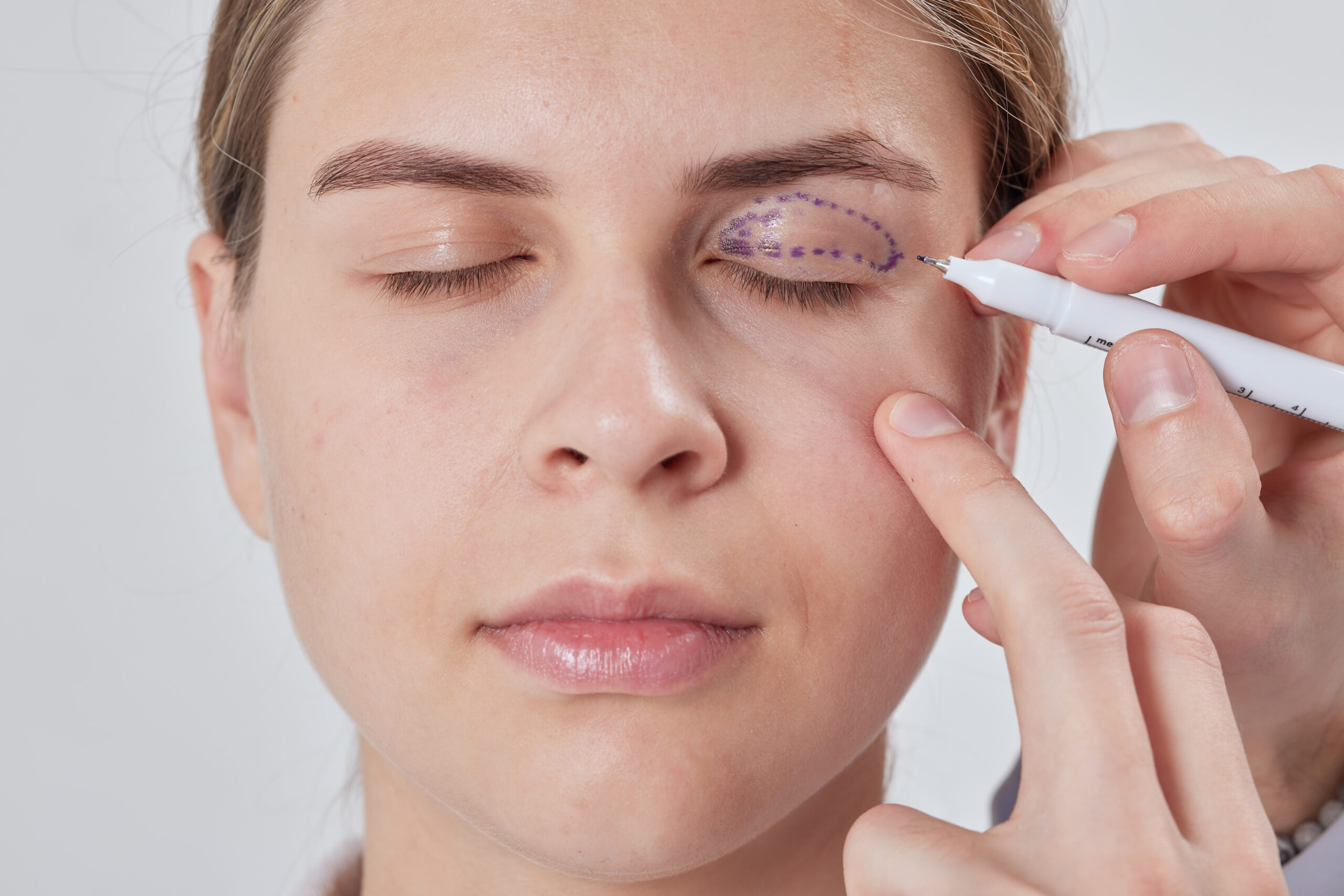
What is Blepharoplasty?
Blepharoplasty is an eye area surgery that can treat:
- drooping upper eyelids due to excess skin,
- under-eye bags (fat pockets),
- loose skin on the lower eyelid,
- a heavy appearance around the eyes that can sometimes reduce your field of vision.
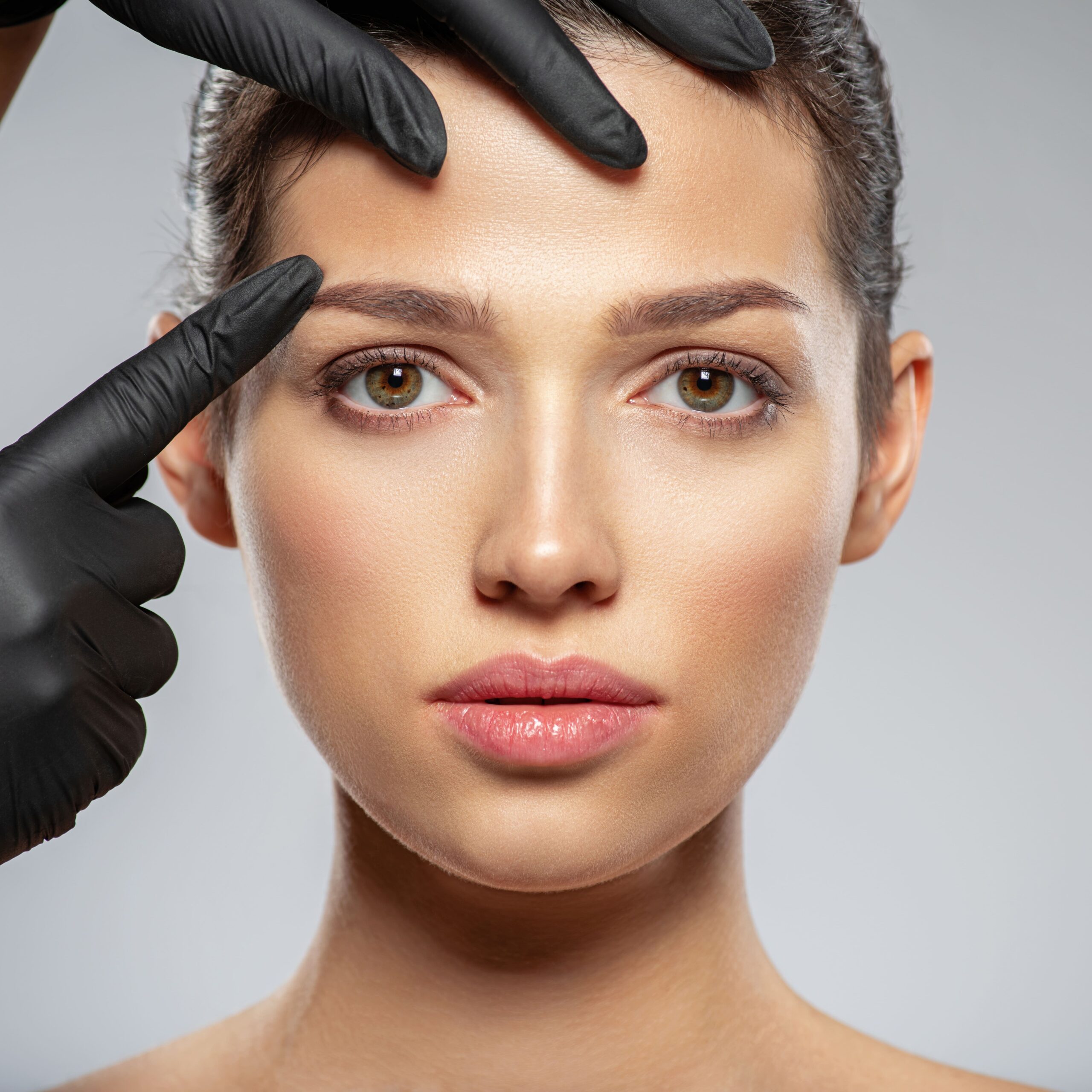
When to Consider Blepharoplasty?
Upper Eyelids
- excess skin creating a fold,
- a closed-off or heavy appearance,
- the impression of "drooping" eyelids,
- difficulty applying makeup.
Lower Eyelids
- persistent under-eye bags,
- morning puffiness,
- loose skin with folds,
- dark circles that make you look tired.
This procedure is often performed from ages 40-45, but it can be recommended sooner if there's a family history of under-eye bags or excess skin.
The Different Blepharoplasty Techniques
Upper Blepharoplasty
The incision is hidden in the natural crease of the eyelid. It allows for:
- to remove excess skin,
- to correct excess fat if needed,
- to restore an open look to the eyes.
Lower Blepharoplasty
Depending on the specific need, the incision can be made:
- under the eyelashes (subciliary approach),
- or inside the eyelid (transconjunctival approach), leaving no visible skin scar.
This procedure allows for the removal or repositioning of fatty pockets and, if needed, the tightening of the skin.
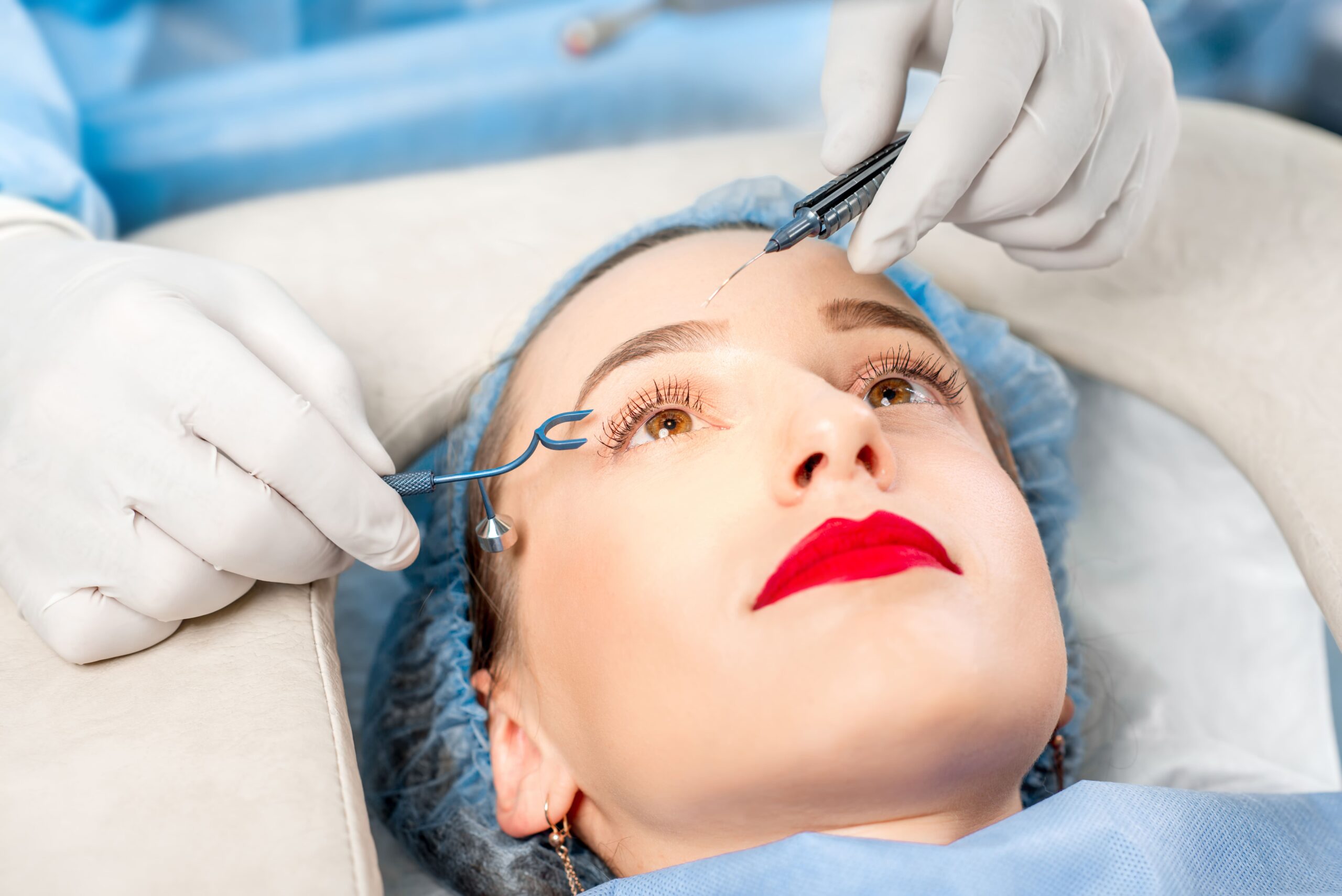
How is a Blepharoplasty Performed?
✨ Medical Blepharoplasty
Eye assessment & medical recommendation.
Area mapping + topical anesthesia if required.
CO2 Laser application on the eyelid.
Cream, sun protection & local hygiene.
The immediate recovery period after treatment requires 3 to 5 days of rest due to swelling. Temporary time off work is recommended.
🩺 Surgical Blepharoplasty
Eye analysis + pre-operative photos.
Precise drawing of natural incisions.
Local, sedation, or general anesthesia.
Skin/fat removal & repositioning.
Fine stitches in the natural crease + dressing.
Duration: 30–45 minutes. Discharge on the same day with post-operative instructions.
Recovery and Aftercare for Surgical Blepharoplasty
Common Post-operative Effects
- Eyelid swelling for a few days,
- Bruising around the eyes,
- Slight tightness or discomfort in the eyelids,
- Possible dry eyes, relieved by eye drops.
Post-operative instructions are provided to aid recovery: applying cold compresses, elevating the head, sun protection, and temporarily avoiding makeup.
Resuming Activities
- Daily activities: within a few days, depending on comfort,
- Screen work: gradual return,
- Sports: later return, after medical approval.
What Anesthesia is Used for Blepharoplasty in Marseille?
| Procedure | Treatment | Anesthesia |
|---|---|---|
| Upper Eyelids | Blepharoplasty | Local |
| Non-surgical CO2 Laser Technique | Topical Drops | |
| Outpatient Upper Eyelid Procedure | Blepharoplasty | Sedation |
| Non-surgical CO2 Laser Technique | Topical Drops | |
| Outpatient Lower Eyelids | Blepharoplasty | General Anesthesia |
| Non-surgical CO2 Laser Technique | Topical Drops | |
| Outpatient Four Eyelids | Blepharoplasty | General Anesthesia |
| Non-surgical CO2 Laser Technique | Topical Drops |
About Lower Eyelids
Treating wrinkles and bags under the eyes often requires a deeper approach than for the upper eyelid.
To ensure patient comfort and allow for precise correction, the procedure is generally performed under
short general anesthesia on an outpatient basis.
If you opt for upper eyelid surgery only, the ophthalmologist or plastic surgeon can
take the opportunity to smooth the lower eyelids with a CO2 Laser.
*Indicative prices, excluding potential coverage by your supplementary health insurance.