
Maximum Safety

Anesthesia using eyedrops

Ideal for contact sports and demanding professions

Manageable Cost

Quick outpatient procedure

High-performing and available team
Are you Nearsighted? Presbyopic? Farsighted? Astigmatic?
Correct Your Vision with PKR
Refractive surgery can correct vision problems such as nearsightedness (myopia), farsightedness (hyperopia), astigmatism, or presbyopia, by reshaping the cornea to provide clear vision without glasses or contact lenses. In just a few minutes, you will notice improved vision and regain complete freedom.
PKR: A precise eye surgery technique suitable for specific patient profiles.
PKR is an approved laser refractive surgery technique particularly recommended for patients with thin corneas or mild to moderate vision defects, such as myopia, astigmatism, hyperopia, and even presbyopia. Unlike LASIK, this surgical procedure does not require creating a corneal flap using a femtosecond laser; instead, only an excimer laser is used. This makes it a more suitable option for certain patients. Thanks to this eye operation, many patients can free themselves from their glasses and contact lenses.
It is also particularly suitable for early presbyopia-related vision problems, especially in patients over 40.

How the PKR Procedure Works
Only 10 min in the operating room
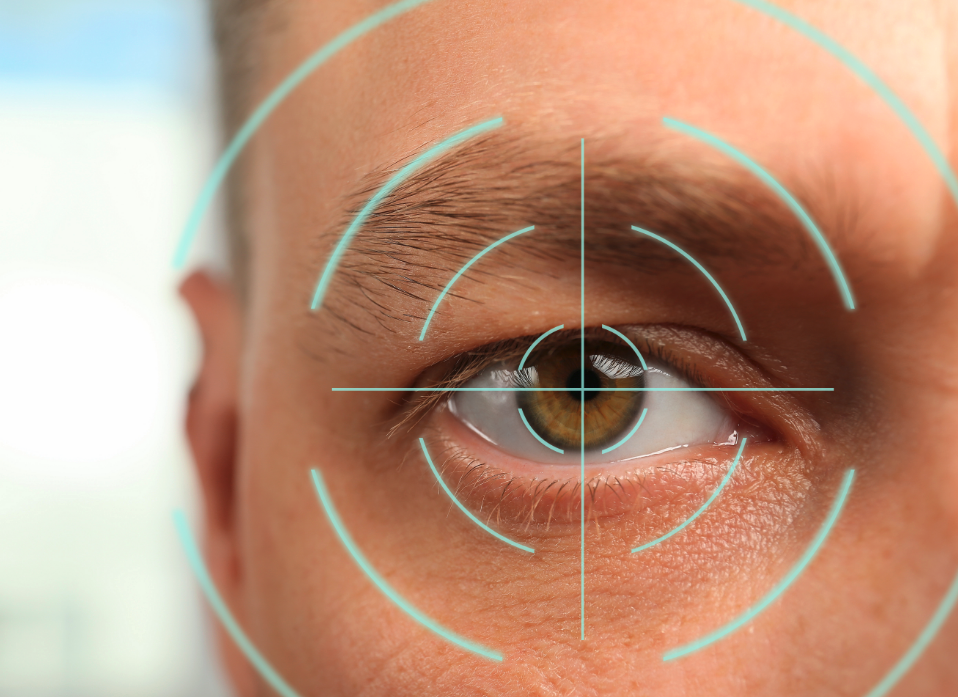
The procedure lasts approximately 10 minutes. After anesthetic drops are applied, an excimer laser is used to reshape the surface of the cornea. Unlike LASIK, there is no need to create a corneal flap with a femtosecond laser.
The treatment is performed using the Teneo laser, which adjusts to eye movements in real-time, ensuring an ultra-precise procedure. The collected data is synchronized with the Sirius topographer via a dedicated local server. This technique ensures optimal control at every stage and reduces the risk of error between the eyes. At the end of the operation, a bandage contact lens is placed to protect the eye during healing.
Free Comprehensive Eye Assessment
A specialist will provide a free eye assessment at our PHENICIA VISION center in Marseille to determine if refractive surgery (LASIK, PKR, or SMILE) can correct your vision. This assessment is straightforward, precise, and comes with no obligation.
A 100% Laser Procedure
Opt for TransPKR, an even more innovative technique.
TransPKR is an advanced variation of PKR. It stands out for its non-invasive, automated, and faster approach. With this procedure, no manual manipulation is needed: the excimer laser handles the entire intervention by removing the epithelium and reshaping the cornea in a single step.
At Phenicia Vision, this eye surgery is performed using our latest generation equipment. The Teneo laser, combined with the Sirius topographer and a secure server, ensures maximum precision. Eye-tracking monitors the eye's micro-movements, and iris recognition ensures perfectly targeted treatment.
TransPKR offers faster recovery, enhanced safety, and excellent visual results, while being particularly suitable for thin corneas or patients who are anxious about manual procedures.
It is also a very beneficial solution for cases of presbyopia combined with other vision problems.
Eligibility Assessment - Eye Laser Surgery
Every journey begins with a thorough eye examination. During this consultation, the doctor assesses the health of your cornea, your visual acuity, and your entire ocular system.
This assessment includes
- An evaluation of near, far, and intermediate vision
- Corneal topography and a measurement of visual field depth
- An examination of the lens, history of cataracts, and other eye disorders
- An analysis of prolonged contact lens or glasses wear
- A tear film assessment and an oculomotor assessment
- Anterior and posterior OCT
- Retinography
- A fundus examination
Our ophthalmic surgeons explain in detail the PKR surgical technique, which involves reshaping the corneal surface using a laser.
PKR is particularly suitable for patients with a thin cornea, or when LASIK is not recommended. It is often chosen for its safety in certain specific cases.
Each surgeon assesses the suitability of the PKR procedure, taking into account the individual characteristics of the patient: corneal thickness and regularity, medical history, and visual needs.
A clinic with cutting-edge technology, staffed by expert doctors
At Phenicia Vision, an eye surgery center in Marseille, each patient is cared for by an experienced team of surgeons and doctors specializing in ophthalmology. Our goal is to offer you the best correction technique tailored to your visual profile.
Our clinic is equipped with the latest innovations in femtosecond and excimer laser technology, ensuring an ultra-precise and personalized procedure, even for significant astigmatism or early presbyopia. We also use an iris recognition and eye-tracking system to adjust the correction in real-time to the micro-movements of the eye.
Trusting PHENICIA VISION means choosing a technologically advanced center, rooted in excellence and committed to your safety and comfort. Our equipment, strict protocols, and expertise allow us to offer you reliable, lasting results with complete peace of mind.
After the procedure:
After the procedure, temporary discomfort may occur for a few days. Post-operative treatment includes eye drops and regular follow-up. The bandage contact lens is generally removed between day 3 and day 5.
Visual recovery is gradual:
- Blurred vision for the first 2 to 3 days
- Significant improvement between 1 and 2 weeks
- Stabilization of visual quality after one month
Regular post-operative follow-up
- A post-operative follow-up is scheduled for day 5 and day 30, to monitor corneal healing and the progress of visual correction.
- A fourth consultation may be offered in some cases, especially if the operation involves presbyopia or a complex correction.
For certain patients, particularly those who have undergone cataract or presbyopia surgery, a treatment adjustment may be considered to optimize vision restoration at all distances.
Results: stable and lasting correction
PKR can permanently correct myopia, astigmatism, hyperopia, and presbyopia, providing stable visual acuity over time. It can also be recommended after cataract surgery to fine-tune any remaining correction. Following cataract surgery, PKR is sometimes chosen to optimize vision for near, intermediate, and far distances. Most patients no longer need glasses or contact lenses after the procedure. The satisfaction rate is very high, thanks to the quality of the results and the reliability of the PKR technique. Many patients report a significant improvement in their visual comfort and a reduction in daily eye strain.
PKR, LASIK, which solution is right for you?
Every eye is unique. That's why our doctors take the time to guide you towards the most suitable technique, whether it's LASIK, PKR, or a combined treatment (especially after cataract surgery). Certain conditions, such as keratoconus, may require specific techniques. LASIK is often recommended for its precision, but PKR remains an excellent alternative for patients with thin corneas or a history of eye surgery.
- ➜ Quick and painless surgery.
- ➜ The standard laser correction technique. It uses an excimer and femtosecond laser.
- ➜ Almost immediate recovery.
- ➜ Suitable for thin corneas.
- ➜ Suitable for physically demanding professions (firefighters, military, etc.) or contact sports.
- ➜ Option to perform a TRANSPKR (100% laser procedure).
- ➜ Can treat presbyopia.
- ➜ Quick and painless surgery.
- ➜ Suitable for people with presbyopia.
- ➜ Almost immediate recovery.
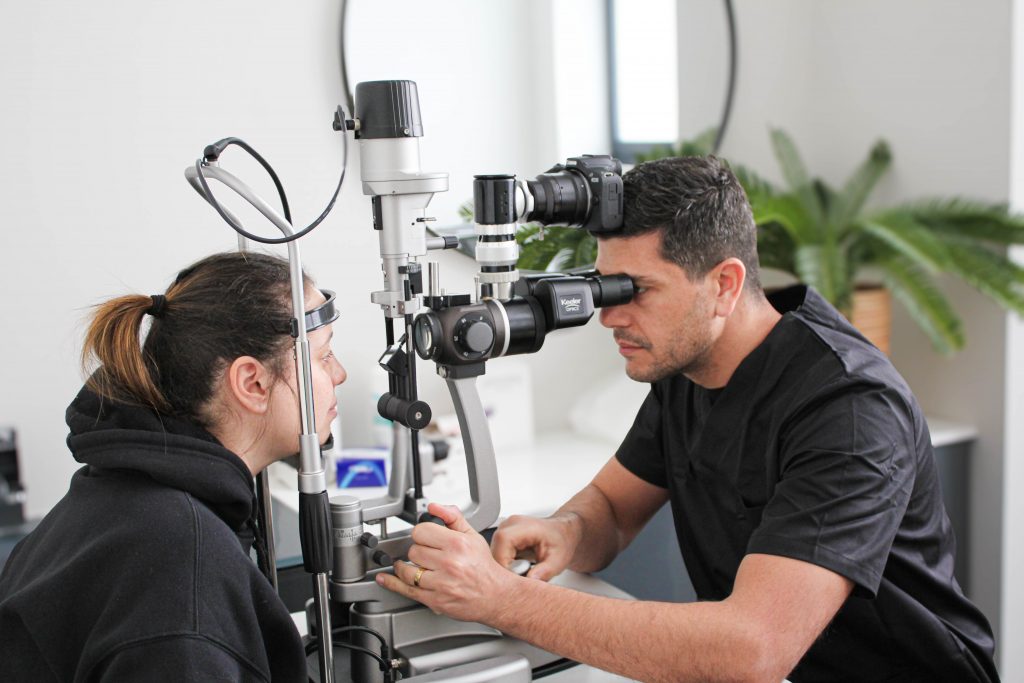
Your well-being, our priority at Phenicia Vision
A team at your service
At Phenicia Vision, every patient is unique. Our clinic welcomes you in a warm and calming environment. A snack is offered before surgery, and every detail is considered for your comfort. Our team, made up of surgeons, nurses, orthoptists, optometrists and coordinators, is available at every step. We clearly explain the procedures, potential side effects, and post-operative care.
Our ophthalmology surgery center in Marseille relies on quality care, medical rigor, and technology to ensure a high level of surgical safety.
Our team includes several specialized surgeons and experienced doctors, each bringing complementary expertise.
Each surgeon works in collaboration with other specialists to ensure a consistent and personalized approach for every patient.

Regain clear vision and a true quality of life
Free yourself from glasses and contact lenses, and fully resume your activities without limitations. Thanks to customized vision correction, you will enjoy stable, comfortable, and lasting vision.
Book an appointment for a personalized consultation at our center in Marseille, and let our doctors guide you through your vision project with care and expertise.
At Phenicia Vision, we place the quality of care, technological innovation, and patient listening at the heart of every operation.

Free eligibility test
Get a free initial examination at our PHENICIA VISION center in Marseille to find out if you are eligible for refractive surgery such as LASIK, PKR, or SMILE.
FAQ: PKR
Learn all about these techniques
What is PKR surgery?
PKR is a laser refractive surgery technique used to correct vision problems in patients with a thin cornea. It offers effective vision correction without a flap.
How is PKR different from other techniques?
Unlike LASIK, PKR does not involve a corneal flap. It is simpler and better suited for fragile eyes with thin or irregular corneas, although it requires a longer recovery period.
What is TransPKR?
TransPKR is an automated, non-invasive version of PKR. This means the corneal epithelium is removed by laser (de-epithelialization), unlike traditional PKR where the surgeon removes it manually. The excimer laser performs the entire procedure in a single step. It offers more comfort than classic PKR , faster recovery, and enhanced safety.
How does the procedure work?
The surgery lasts 15 minutes. The laser removes the épithelium and then reshapes the cornea. The surgical procedure is precise, quick, and painless.
Is the operation painful?
No. The procedure is painless thanks to anesthetic eye drops. A feeling of post-operative discomfort is possible for 48 to 72 hours.
How long does it take to recover from PKR?
After the procedure, temporary discomfort may occur for a few days. The vision gradually improves over 1 to 2 weeks. Full stabilization is achieved in 3 to 4 weeks, depending on the patient.
What are the advantages of TransPKR?
- No manual contact
- Faster recovery
- Greater safety due to full automation
Are there any contraindications?
Yes. Certain conditions such as keratoconus or severe dry eye, or certain autoimmune diseases affecting the eyes, may rule out PKR. A comprehensive assessment is essential.
Why choose Phenicia Vision in Marseille for PKR?
Our clinic offers:
- An experienced team
- Cutting-edge technologies
- Personalized support
A high level of quality and safety
Our doctors and surgeons support you from your first consultation and throughout your journey. Our multidisciplinary approach ensures care tailored to each individual.
All our ophthalmologists are trained in the latest refractive surgery techniques, with a constant focus on innovation and patient well-being.
Do I need to stop wearing my contact lenses before the surgery?
Yes, it is recommended to stop wearing contact lenses at least one week before both the pre-operative assessment and the procedure, to allow the cornea to return to its natural shape. This ensures accurate eye measurements and a more effective surgical outcome.
Is the surgery covered by Social Security?
No, refractive surgery is considered an elective procedure and is therefore not reimbursed by Social Security. However, some mutual insurance companies or supplementary health plans may offer benefits, including partial coverage of the cost of the procedure in the form of a package or annual reimbursement. It is therefore advisable to check the terms of your contract before the procedure.
What are the possible risks or side effects?
After the procedure, some temporary side effects may occur:
- Mild dry eyes: a feeling of discomfort or stinging, especially during the first few days.
- Light sensitivity: your eyes may be more sensitive to natural or artificial light.
- Halos: seeing blurry circles around light sources, especially at night.
These effects are usually harmless and gradually disappear within a few weeks as your eyes heal. Moisturizing treatment may be prescribed to relieve dry eyes, and the risks remain very low.
How to book an appointment?
Simply book an ophthalmological assessment via Doctolib or by directly contacting a center specializing in refractive surgery. This appointment, conducted with an optometrist or an ophthalmic surgeon, allows us to precisely measure your correction, evaluate the overall health of your eyes, and determine if your myopia has been stable for at least one year.
If no contraindications are detected (such as a cornea that is too thin, keratoconus, or early-stage cataracts) and you meet the eligibility criteria, the ophthalmologist can then suggest an appropriate surgical technique (LASIK, PKR, or SMILE) and schedule the procedure. This initial consultation is essential to ensure personalized care that is safe and tailored to your visual needs and lifestyle. During this assessment, a detailed quote will be provided, including the price of the operation based on the chosen technique.
What are the contraindications for refractive surgery?
Refractive surgery is not recommended in certain cases, particularly if you have a cornea that is too thin, keratoconus, an opaque lens, or cataracts. These conditions can affect the safety of the procedure and reduce its effectiveness. If these factors are identified during the pre-operative assessment, an appropriate alternative, such as lens surgery, may be suggested to restore vision quality in a lasting way.
Is it possible to have surgery if I've already had cataract surgery or have implants?
Yes, surgery is sometimes possible even after cataract surgery or with intraocular implants, but this depends on the type of implant, the cornea's quality, and any remaining vision correction. In some cases, supplementary refractive surgery (such as LASIK or PKR) may be offered to further improve visual precision after implant placement.
A thorough ophthalmological assessment, performed by our ophthalmic surgeon, is essential to evaluate the feasibility and safety of this secondary correction, taking into account visual stability, the condition of the tear film, and corneal topography.
Can presbyopia and myopia be corrected at the same time?
Yes, in some cases, it is possible to correct both myopia and presbyopia during the same procedure, using specific techniques like presbyLASIK or implant placement. The goal is to achieve clear vision for both near and far, considering age-related visual needs. However, the feasibility of this double correction depends on several factors: the patient's age, the stability of myopia, the quality of the cornea, and visual expectations.