Why Does Fog Appear on Your Glasses?
The Phenomenon of Condensation: A Simple Explanation
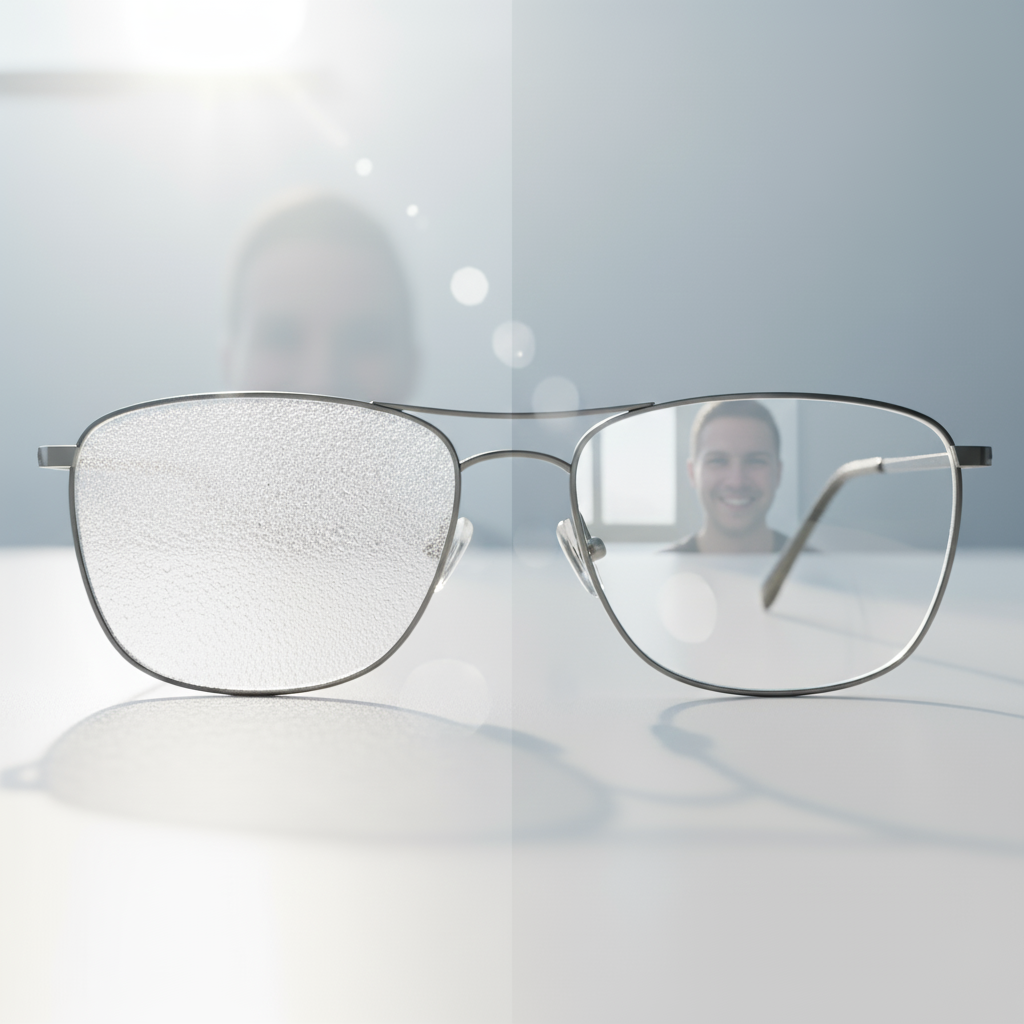
Fog on your lenses is simply a phenomenon of condensation. When warm, humid air (from your breath or the surrounding environment) touches a cold surface like your lenses, the water vapor turns into tiny droplets. The result is blurred vision.
Everyday Situations Where Fog Is Most Bothersome
Wearing a mask: Since the pandemic, many have realized how problematic fog can be in daily life.
Temperature changes: Stepping out of a heated room in winter, or entering a warm place after being outside in cold weather.
Sports activities: Running, cycling, winter sports, or swimming.
Cooking: Opening an oven or standing near a boiling pot.
Impact on Visual Comfort and Safety
Fog on your glasses doesn't just cause discomfort; it can also be dangerous. When driving, blurred vision reduces your reaction time. At work, it decreases precision, especially in jobs requiring high visual concentration. In daily life, it's a constant nuisance that affects your overall quality of life.
Quick Tips to Reduce Fog
Proper Cleaning: Sprays, Wipes, and Mild Soaps
Some simple solutions can help slow down fog formation:
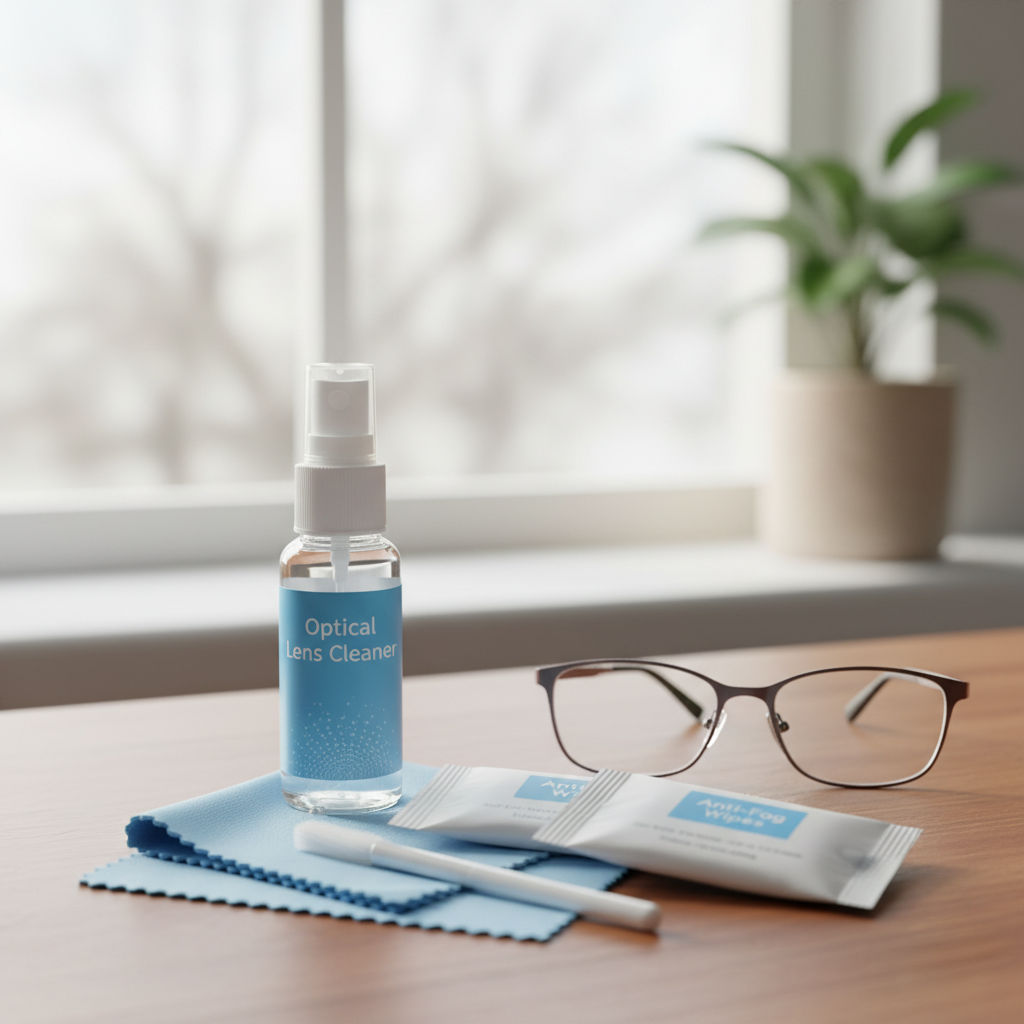
Anti-fog sprays and wipes available at optical stores.
The mild soap technique: lightly rub your lenses with a small amount of soap, then rinse and wipe. This creates a film that reduces condensation.
Properly Adjusting Your Glasses and Mask
If you wear a mask, a poor fit allows warm air to rise towards your glasses, causing them to fog up. Bending the nose wire or using medical tape across the bridge of your nose can help reduce this effect. Properly adjusting your glasses' temples also helps minimize fog.
Temporary Solutions: Homemade Products and Anti-Fog Accessories
Certains utilisent des astuces comme le dentifrice, la mousse à raser ou des solutions salines. Ces méthodes peuvent fonctionner mais elles ne sont pas toujours adaptées aux verres modernes, au risque d’endommager leurs traitements. Des chiffons microfibres spécialisés ou des coques anti-buée pour masques restent des alternatives pratiques.
</article
Modern Technologies to Combat Fog
Anti-Fog Treated Lenses in Traditional Optics
Many opticians now offer lenses with an anti-fog coating. This special treatment slows down condensation and improves visual comfort. However, these lenses are more expensive, and their effectiveness tends to decrease over time.
Protective Eyewear and Innovations from Sports and Industry
In professional and sports fields, specialized eyewear (such as for cycling, skiing, or hazardous occupations) benefits from advanced anti-fog innovations. While these technologies are effective, they are primarily designed for specific uses and do not address the issue of fogging on everyday prescription glasses.
Limitations of these solutions for persistent discomfort
While these solutions are helpful, they are only temporary. They require regular upkeep, may become less effective over time, and do not provide complete freedom. This is why many people who wear glasses opt for a permanent solution.
The permanent solution: say goodbye to foggy glasses with refractive surgery
What does refractive surgery involve?
Refractive surgery involves various laser techniques designed to correct vision problems such as nearsightedness (myopia), farsightedness (hyperopia), astigmatism, and presbyopia. Some of the most common procedures include:
LASIK: A thin flap is created to reshape the cornea.
PRK: Direct surface correction, often suitable for specific corneal conditions.
SMILE: An innovative, minimally invasive, and highly precise technique.
These procedures enable patients to permanently live without glasses and contact lenses.
Everyday benefits: comfort, freedom, and no more glasses or contact lenses
Having surgery for nearsightedness or another vision problem means regaining clear vision without any hassle. There's no longer a need to clean your glasses, adjust your mask, or worry about fogging up. Patients experience greater freedom in sports, at work, and in all their daily activities. It's a significant improvement in quality of life.
Why choose a specialized center like Phenicia Vision?
Clinique Phenicia is the largest center for aesthetic surgery and medicine in France, with a department dedicated to refractive surgery. At Phenicia Vision, patients benefit from recognized medical expertise, the latest technologies (LASIK, SMILE, PRK), and personalized support before, during, and after the procedure. This ensures a safe operation and a lasting result: saying goodbye permanently to foggy glasses.
Conclusion
Foggy glasses are a universal annoyance. While simple tricks and special lenses can help, they often aren't enough to provide optimal comfort. For those who want to regain clear vision in all situations, surger